
CHARMOUTH
Charmouth is a picturesque coastal village nestled along Dorset’s stunning Jurassic Coast. Renowned for its fossil-rich cliffs, unspoiled beaches, and tranquil atmosphere, Charmouth offers the perfect escape for nature lovers, history enthusiasts, and those seeking a peaceful seaside retreat.
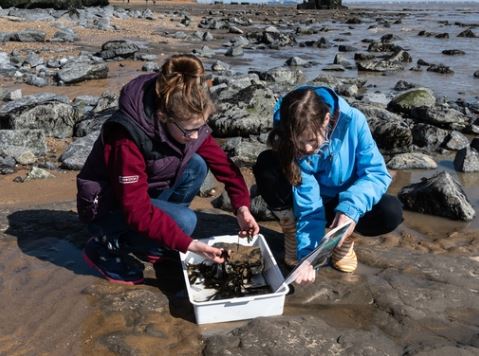
The village is best known for its incredible fossil-hunting opportunities. The cliffs surrounding Charmouth Beach are some of the most famous in the world for revealing prehistoric treasures, with finds dating back over 180 million years. Visitors can explore the Charmouth Heritage Coast Centre to learn about local geology and even join guided fossil walks to uncover their own ancient discoveries.
Beyond fossils, Charmouth offers scenic coastal walks along the South West Coast Path, providing breathtaking views of the dramatic cliffs and sparkling sea. The village itself has a charming selection of traditional cottages, cosy cafés, and friendly pubs, making it an ideal place to relax after a day of exploring.
With its stunning natural beauty, fascinating history, and peaceful coastal charm, Charmouth is a must-visit destination on the Jurassic Coast.
Nature & Wildlife
Charmouth is a true paradise for nature lovers, offering stunning coastal landscapes, diverse wildlife, and one of the best fossil-hunting locations in the world. Nestled along the Jurassic Coast, this charming village is surrounded by breathtaking scenery and rich biodiversity, making it a must-visit for those who love the great outdoors.
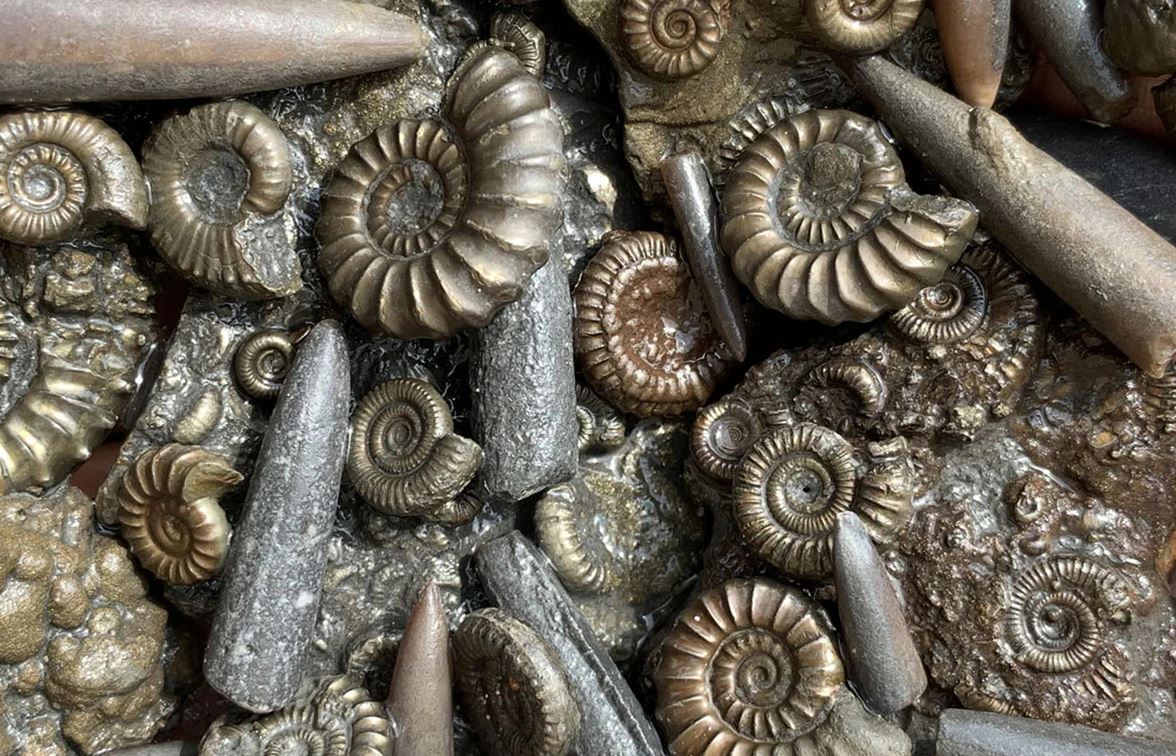
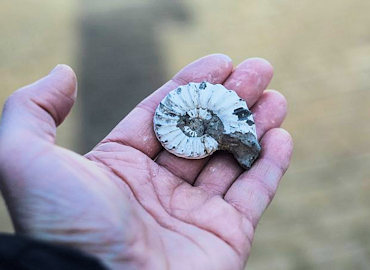
One of the biggest natural attractions is Charmouth Beach, where towering cliffs hold secrets from the prehistoric past. This area is famous for its fossils, with finds including ammonites, belemnites, and even marine reptile remains. Visitors can explore the shore and uncover their own ancient treasures or join a guided fossil walk for expert insights.
Beyond fossils, Charmouth is home to a variety of wildlife. The surrounding cliffs and grasslands provide habitats for birds such as peregrine falcons, kestrels, and fulmars. At low tide, the rock pools along the shoreline reveal fascinating marine life, including crabs, sea anemones, and small fish.
Just inland, the rolling hills and countryside of the **Marshwood Vale** offer a different natural experience, with winding footpaths through wildflower meadows and woodlands. Deer, foxes, and badgers can often be spotted, making this a wonderful area for wildlife enthusiasts and walkers alike.
Whether you’re searching for fossils, spotting rare birds, or simply enjoying the stunning coastal views, Charmouth is a haven for nature and wildlife, offering a unique glimpse into both the past and present.
History & Heritage
Charmouth is a village with a rich and fascinating history, shaped by the forces of nature and centuries of human settlement. Nestled along the Jurassic Coast, its heritage is deeply connected to its dramatic cliffs, ancient fossils, and significant moments in English history.
The area’s history dates back to the Roman period, when Charmouth was an important coastal settlement. Later, in 833 AD, the village became the site of a famous battle when King Æthelwulf of Wessex fought off Viking invaders attempting to land on the Dorset coast.
Throughout the medieval period, Charmouth grew as a small fishing and trading village. In the 17th century, during the English Civil War, the village played a role in a dramatic moment in history—King Charles II passed through Charmouth while fleeing after his defeat at the Battle of Worcester in 1651, narrowly avoiding capture.
In more recent history, Charmouth has become famous for its connection to paleontology. The surrounding cliffs are some of the richest fossil sites in the world, attracting scientists and collectors for centuries. The discoveries made here, including ichthyosaurs, ammonites, and other prehistoric creatures, have helped shape our understanding of ancient marine life.
Today, Charmouth retains its historic charm while remaining one of the best places to explore the deep history of the Jurassic Coast. Whether walking its fossil-rich shores or uncovering its fascinating past, the village offers a journey through time like no other.
Home to the World's First Fossil Discovery
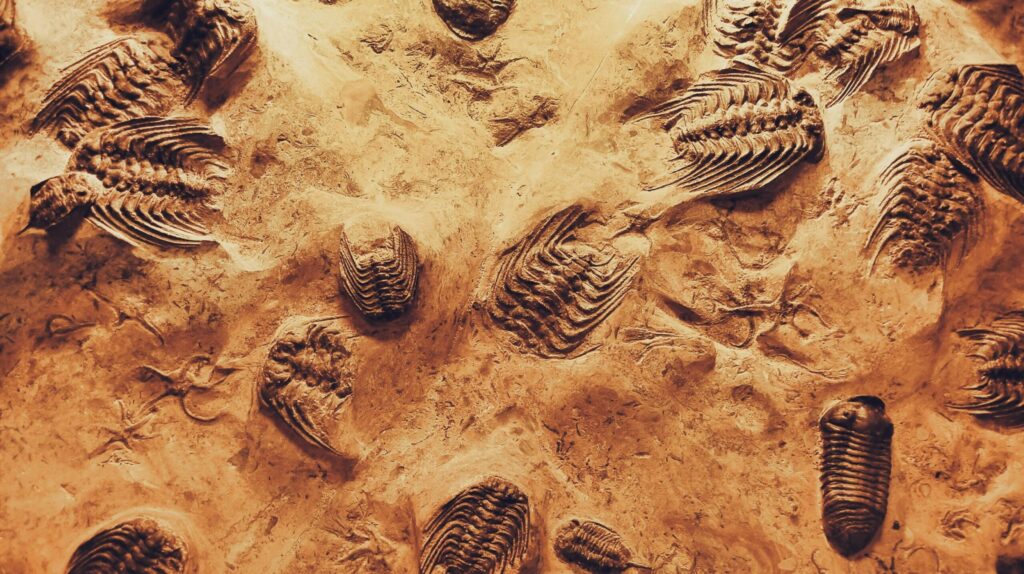
Did you know the Jurassic Coast is where the world’s first scientifically documented dinosaur fossil was discovered? In 1811, 12-year-old Mary Anning unearthed the skeleton of an ichthyosaur in the cliffs of Lyme Regis, sparking a revolution in paleontology. Today, the Jurassic Coast remains one of the best places in the world to hunt for fossils, with its cliffs revealing ancient marine reptiles, ammonites, and even dinosaur footprints. Whether you’re a budding fossil hunter or simply curious about Earth’s prehistoric past, the Jurassic Coast offers a unique opportunity to walk in the footsteps of giants—literally!
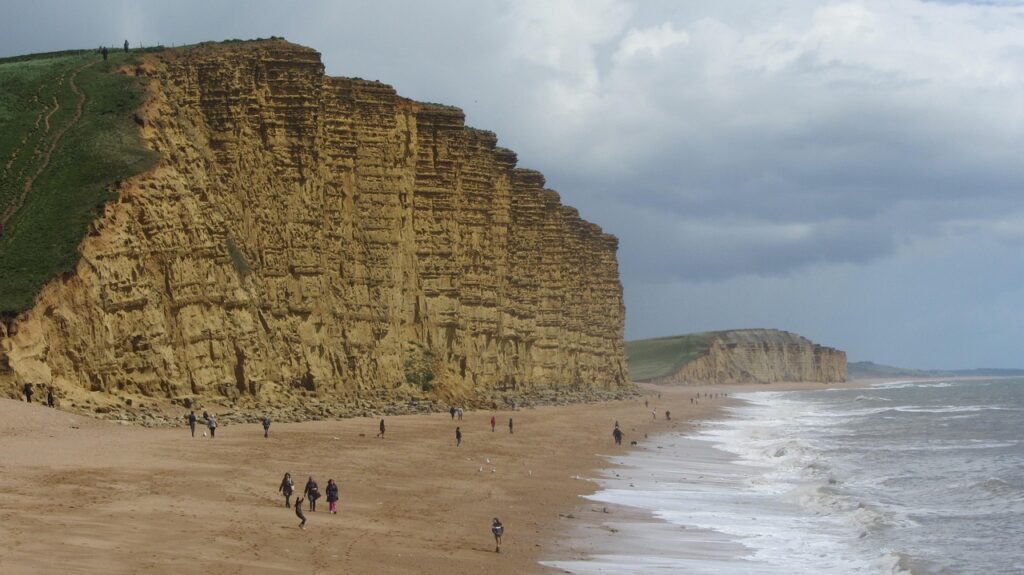
A Geological Masterpiece
The Jurassic Coast isn’t just famous for its fossils—it’s also a geological wonder! This 95-mile stretch of coastline showcases an almost continuous sequence of rock formations spanning 185 million years, representing the Triassic, Jurassic, and Cretaceous periods. From the vibrant red cliffs of Budleigh Salterton to the iconic limestone arch of Durdle Door, each layer tells a story of ancient deserts, tropical seas, and shifting continents. It’s like flipping through the pages of Earth’s history, making the Jurassic Coast a paradise for geologists and nature lovers alike.
One of the most common additions people make to their cars in order to keep the heat out is a windshield visor. Cars become warm in the summer because direct sunlight enters in through the windows. This is why we park in the shade whenever we can. Since the largest windshield.In fact, wind is becoming cheap enough in many places in the U.S. and around the world to compete effectively with fossil fuels.
One of the most common additions people make to their cars in order to keep the heat out is a windshield visor. Cars become warm in the summer because direct sunlight enters in through the windows. This is why we park in the shade whenever we can. Since the largest windshield.In fact, wind is becoming cheap enough in many places in the U.S. and around the world to compete effectively with fossil fuels.
One of the most common additions people make to their cars in order to keep the heat out is a windshield visor. Cars become warm in the summer because direct sunlight enters in through the windows. This is why we park in the shade whenever we can. Since the largest windshield.In fact, wind is becoming cheap enough in many places in the U.S. and around the world to compete effectively with fossil fuels.

95 FF3, App Street Avenue
NSW 96209, Canada
Mon – Fri: 8:00 am – 6:00 pm
Useful Links
City News & Updates
The latest Egovt news, articles, and resources, sent straight to your inbox every month.