
JURASSIC FACTS
The Jurassic Coast is one of the most spectacular natural wonders in England, stretching 95 miles along the southern coast from Exmouth in East Devon to Studland Bay in Dorset. Designated a UNESCO World Heritage Site, this iconic coastline reveals 185 million years of Earth’s geological history, with its dramatic cliffs, hidden coves, and fossil-rich beaches.
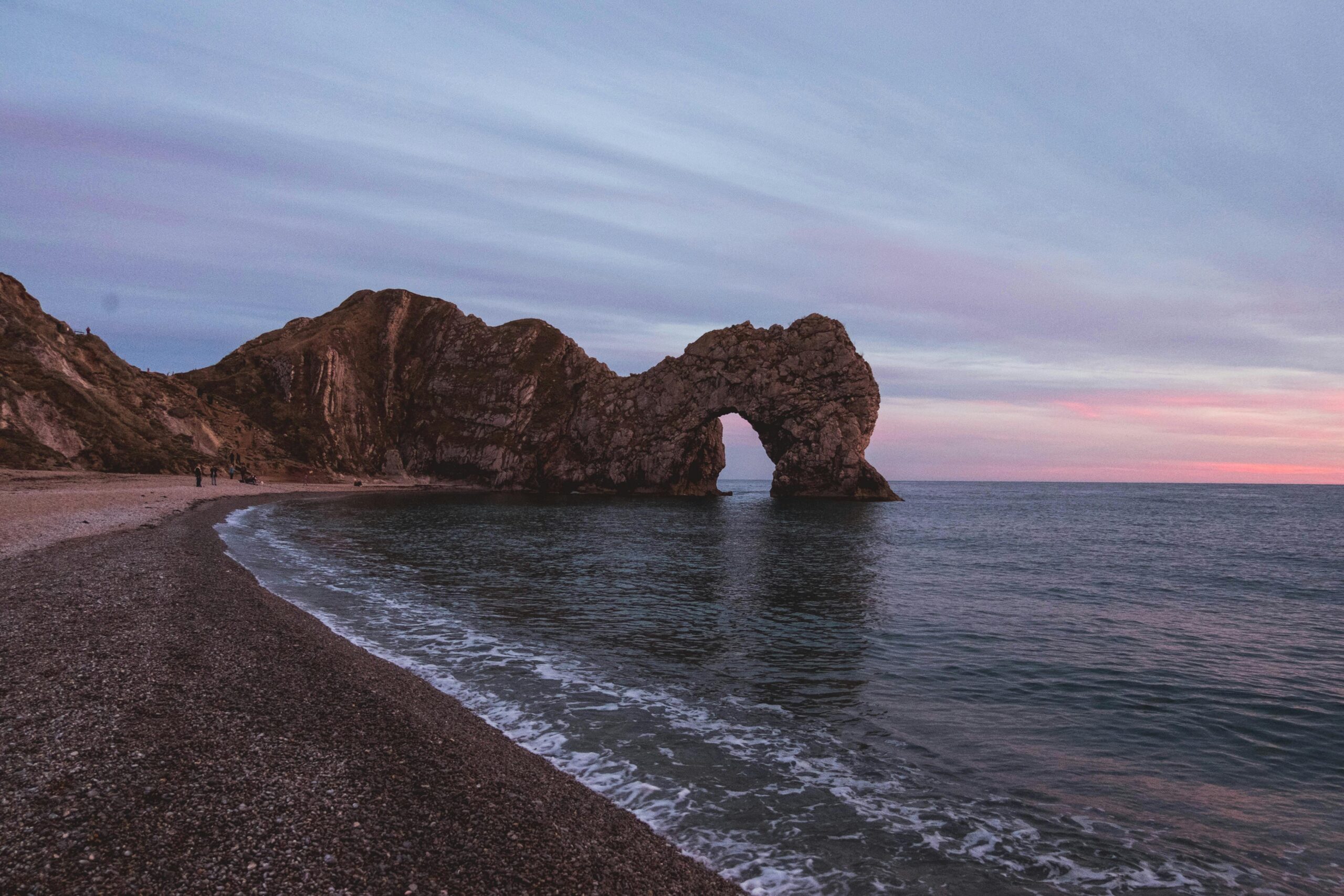
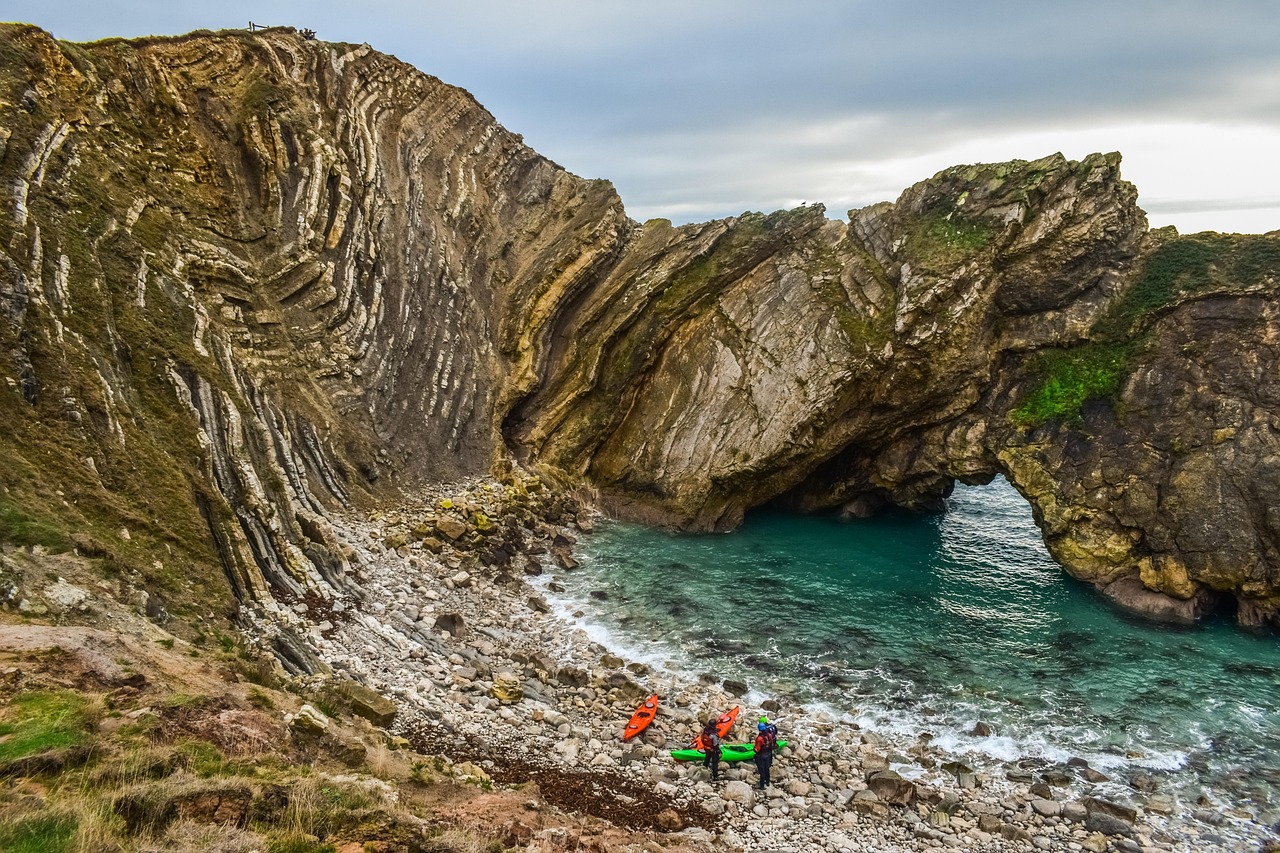
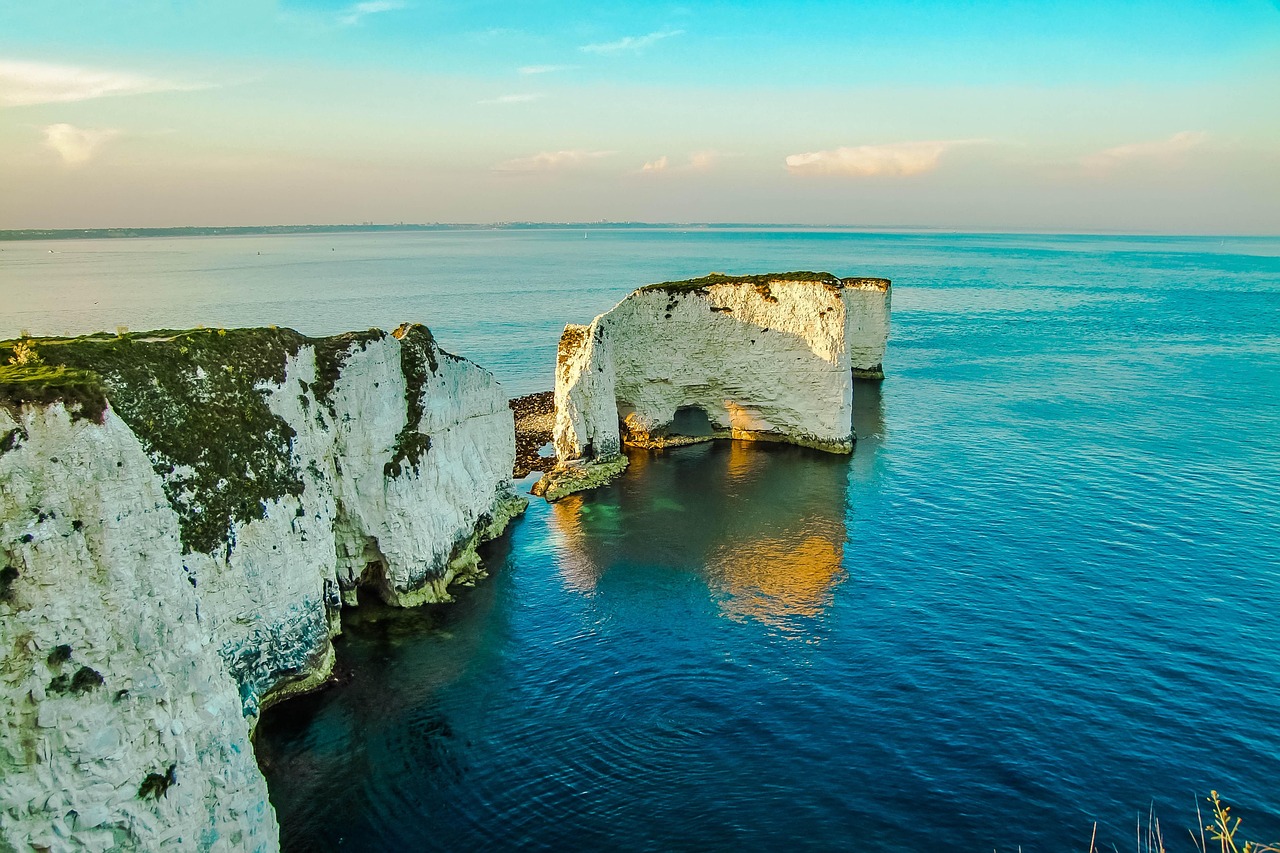
Visitors to the Jurassic Coast are treated to stunning natural landmarks such as the majestic Durdle Door, a towering limestone arch formed by the relentless power of the sea, and the tranquil beauty of Lulworth Cove. The striking chalk cliffs of Old Harry Rocks mark the eastern edge of this famous coastline, offering breathtaking views of the surrounding seascape.
Fossil hunting is a popular activity along the coast, particularly in areas like Lyme Regis and Charmouth, where ancient treasures from the Jurassic period can still be uncovered. Whether you’re walking along the coast, exploring its beaches, or hiking its cliffs, the Jurassic Coast offers an unforgettable glimpse into our planet’s ancient past.
With its unique blend of natural beauty and geological significance, the Jurassic Coast is a must-visit destination for nature lovers, history enthusiasts, and adventurers alike. Come and explore this awe-inspiring coastline and discover the wonders that have made it famous worldwide.
Nature & Wildlife
The Jurassic Coast is not only a geological marvel but also a haven for diverse wildlife and stunning natural landscapes. From rugged cliffs and peaceful coves to rich woodlands and vibrant meadows, the Jurassic Coast is home to an array of habitats that support a wide variety of species.
Birdwatchers will find the area particularly rewarding, with locations like Portland Bill and Chesil Beach attracting migratory seabirds, including puffins, gannets, and terns. Inland, the rolling hills and heaths offer habitats for birds such as the Dartford warbler and the rare nightjar.
The waters around the Jurassic Coast are equally rich in marine life. Keep an eye out for seals, dolphins, and even basking sharks, which are occasionally spotted off the coast. The rock pools at beaches like Kimmeridge Bay provide a fascinating window into the underwater world, filled with crabs, starfish, and anemones.
For those interested in exploring the area’s flora, the Jurassic Coast boasts diverse plant life, including wild orchids and rare coastal species that thrive in the chalk cliffs and heathlands. These unique environments make it an ideal destination for nature lovers seeking both adventure and tranquility.
Whether you’re hiking the cliffs, birdwatching, or exploring the shores, the Jurassic Coast offers endless opportunities to connect with nature and witness the incredible biodiversity of this World Heritage Site.
History & Heritage
The Jurassic Coast is steeped in history, not only from a geological perspective but also in terms of human heritage. Spanning 95 miles, this UNESCO World Heritage Site offers a journey through 185 million years of Earth’s history, reflected in its dramatic cliffs, fossils, and ancient landscapes.
The coastal area has been inhabited for thousands of years, with historic landmarks dotting the landscape. One of the most iconic is Corfe Castle, a 1,000-year-old fortress that played a crucial role in England’s medieval history. The ruins of the castle still stand proudly, offering visitors a glimpse into the past and panoramic views of the surrounding countryside.
Evidence of ancient settlements can also be found along the coast, including the Iron Age hillfort at Maiden Castle, one of the largest and most complex hillforts in Europe. These sites give insight into the lives of the people who lived here long before modern times.
During World War II, the Jurassic Coast played a vital role in the D-Day preparations, with towns like Weymouth and Portland serving as key embarkation points for troops heading to Normandy. Remnants of these wartime efforts can still be found along the coast, including coastal defenses and military relics.
The Jurassic Coast’s heritage is not just about its ancient geology but also its role in shaping human history. From medieval castles to wartime contributions, this area is a treasure trove for history enthusiasts eager to explore its rich and varied past.
Home to the World's First Fossil Discovery
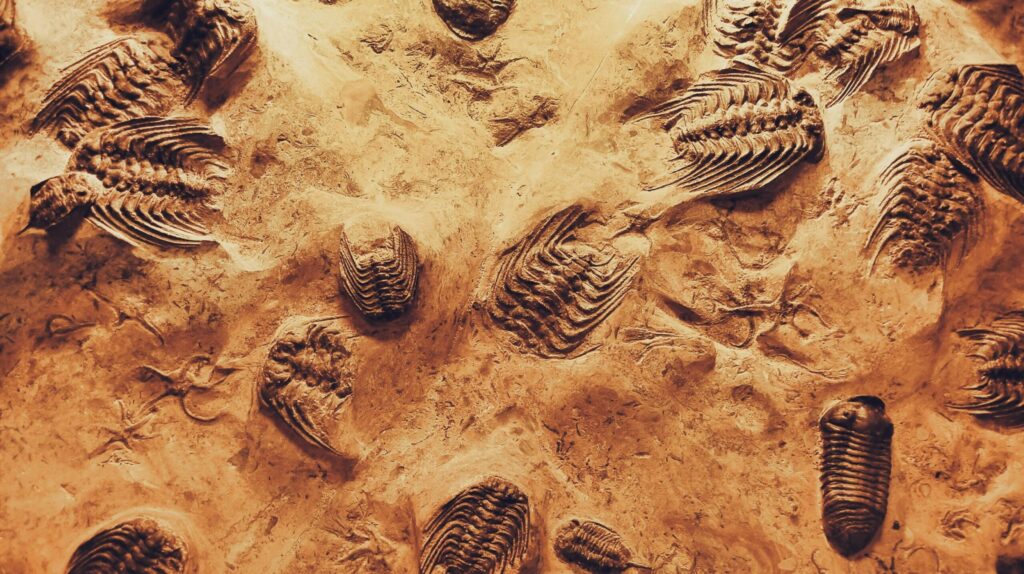
Did you know the Jurassic Coast is where the world’s first scientifically documented dinosaur fossil was discovered? In 1811, 12-year-old Mary Anning unearthed the skeleton of an ichthyosaur in the cliffs of Lyme Regis, sparking a revolution in paleontology. Today, the Jurassic Coast remains one of the best places in the world to hunt for fossils, with its cliffs revealing ancient marine reptiles, ammonites, and even dinosaur footprints. Whether you’re a budding fossil hunter or simply curious about Earth’s prehistoric past, the Jurassic Coast offers a unique opportunity to walk in the footsteps of giants—literally!
A Geological Masterpiece
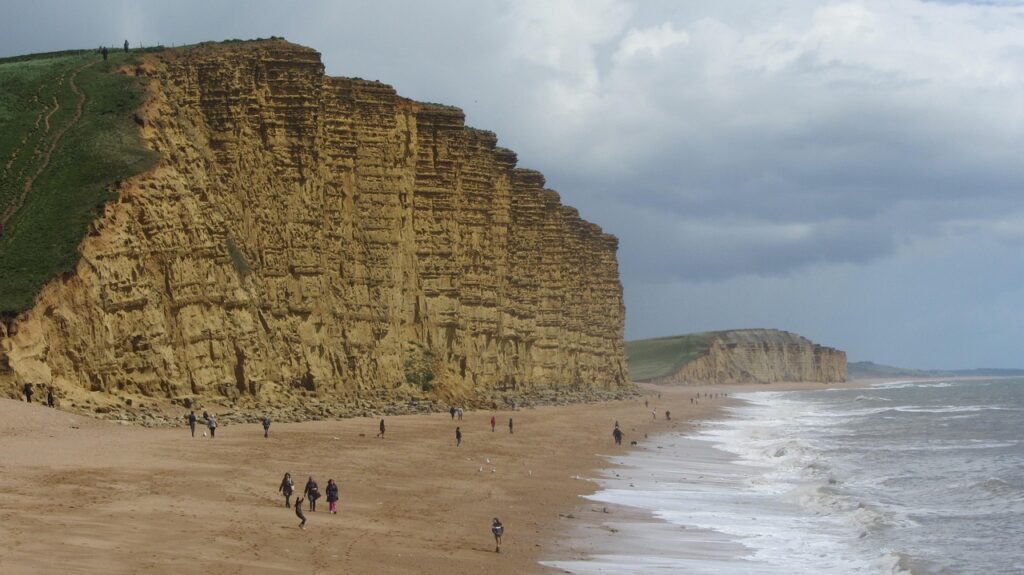
The Jurassic Coast isn’t just famous for its fossils—it’s also a geological wonder! This 95-mile stretch of coastline showcases an almost continuous sequence of rock formations spanning 185 million years, representing the Triassic, Jurassic, and Cretaceous periods. From the vibrant red cliffs of Budleigh Salterton to the iconic limestone arch of Durdle Door, each layer tells a story of ancient deserts, tropical seas, and shifting continents. It’s like flipping through the pages of Earth’s history, making the Jurassic Coast a paradise for geologists and nature lovers alike.
One of the most common additions people make to their cars in order to keep the heat out is a windshield visor. Cars become warm in the summer because direct sunlight enters in through the windows. This is why we park in the shade whenever we can. Since the largest windshield.In fact, wind is becoming cheap enough in many places in the U.S. and around the world to compete effectively with fossil fuels.
One of the most common additions people make to their cars in order to keep the heat out is a windshield visor. Cars become warm in the summer because direct sunlight enters in through the windows. This is why we park in the shade whenever we can. Since the largest windshield.In fact, wind is becoming cheap enough in many places in the U.S. and around the world to compete effectively with fossil fuels.
One of the most common additions people make to their cars in order to keep the heat out is a windshield visor. Cars become warm in the summer because direct sunlight enters in through the windows. This is why we park in the shade whenever we can. Since the largest windshield.In fact, wind is becoming cheap enough in many places in the U.S. and around the world to compete effectively with fossil fuels.

95 FF3, App Street Avenue
NSW 96209, Canada
Mon – Fri: 8:00 am – 6:00 pm
Useful Links
City News & Updates
The latest Egovt news, articles, and resources, sent straight to your inbox every month.