
WEYMOUTH
The picturesque seaside town of Weymouth, located on the Dorset coast, has a rich history and heritage that spans centuries. Its charming Georgian architecture and beautiful bay make it a favorite destination for visitors, but its roots go far deeper, with connections to the Tudor period, World War II, and beyond.
Weymouth’s history as a port town is one of its defining characteristics. During the reign of King Henry VIII, the town’s strategic location led to the construction of Sandsfoot Castle, built to defend the coastline against invasion. Today, the ruins of the castle offer a glimpse into Weymouth’s important military past.In the 18th century, Weymouth became one of the UK’s first popular seaside resorts after King George III frequently visited the town for its health-giving sea air. His royal endorsement helped establish Weymouth as a fashionable retreat, and the Georgian buildings that line the esplanade today are a reminder of its regal connections.During World War II, Weymouth played a critical role as one of the key embarkation points for the D-Day landings. Thousands of Allied troops left from Weymouth’s harbor to fight in Normandy, and remnants of the town’s wartime history can still be found along the coast.
What to see
Whether you’re strolling along Weymouth’s sandy beach, exploring its historic harbor, or visiting the ruins of Sandsfoot Castle, the town’s rich history and maritime heritage are ever-present, offering a fascinating glimpse into Dorset’s storied past.
Whats it known for?
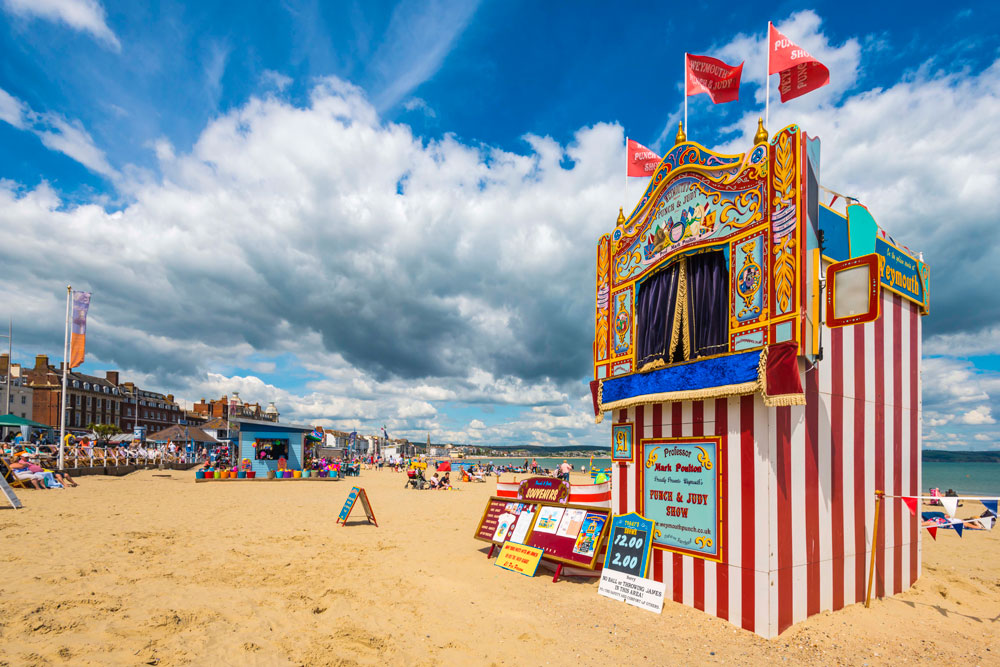
Known for its stunning sandy beach and iconic Georgian seafront, Weymouth has been a popular destination for visitors seeking relaxation, adventure, and a taste of traditional British seaside charm.
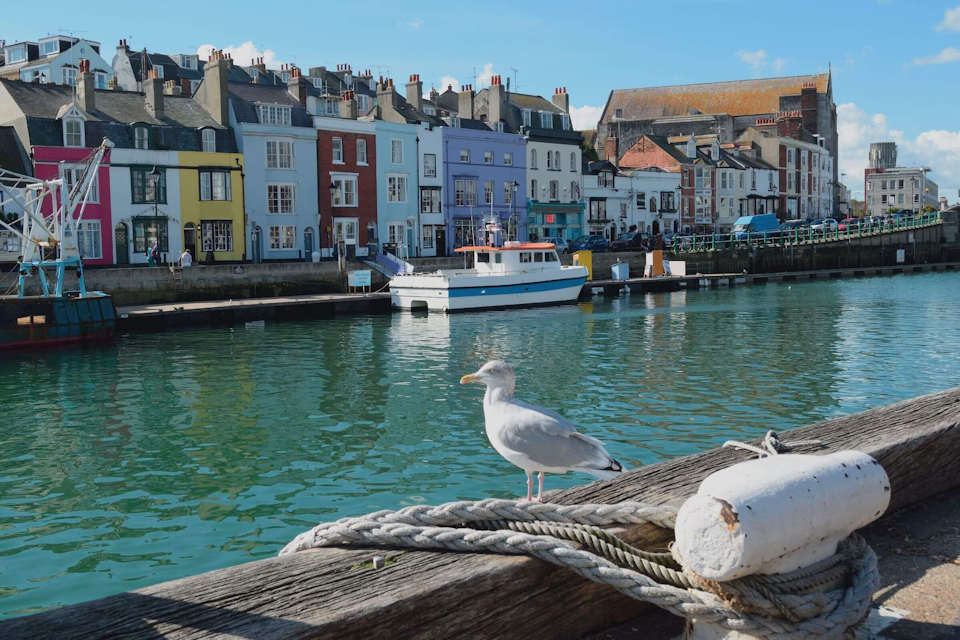
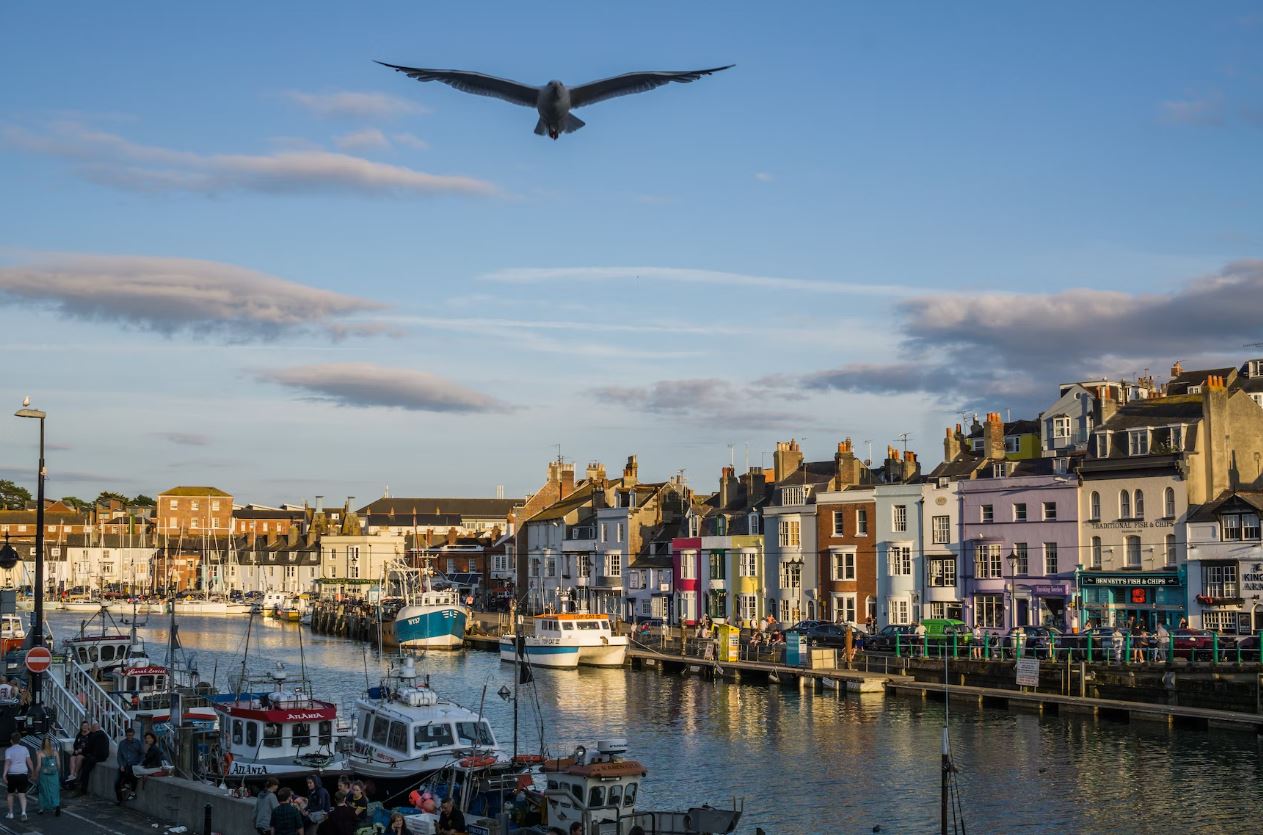
The town’s picturesque harbor is a focal point, where fishing boats, yachts, and pleasure cruisers come and go throughout the day. It’s a wonderful spot to enjoy fresh seafood or take a leisurely stroll along the quayside. Weymouth’s rich maritime history is reflected in the harbor and beyond, with connections to the Tudor era and its significant role during World War II.
One of Weymouth’s biggest attractions is its award-winning beach, known for its soft golden sands and shallow waters, making it perfect for families. The beach is ideal for swimming, sunbathing, or simply enjoying a traditional ice cream while taking in the views of the bay.
Beyond the beach, Weymouth is a gateway to the Jurassic Coast, a UNESCO World Heritage Site, offering visitors the chance to explore incredible geological formations, scenic coastal walks, and fascinating fossil-hunting opportunities. For nature lovers, the town is close to several nature reserves like RSPB Radipole Lake, home to a variety of bird species and wildlife.
Whether you’re visiting for its natural beauty, historical landmarks, or vibrant coastal activities, Weymouth is a must-visit destination that captures the essence of a traditional British seaside holiday with plenty of modern-day attractions.
The Clock
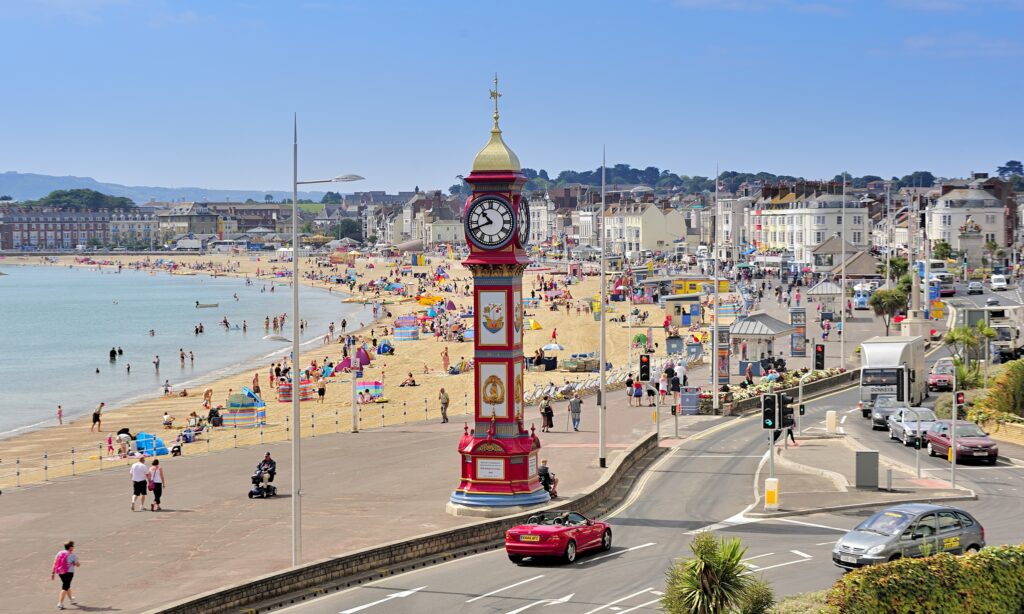
The iconic Town Clock, standing proudly in Weymouth’s town centre, is a beloved landmark and a symbol of the town’s rich heritage. Erected in 1867, this elegant Victorian clock tower has been a focal point for locals and visitors alike, offering a charming glimpse into Weymouth’s history. Situated near the bustling harbourside, the clock is a perfect meeting spot and a great starting point for exploring the town’s vibrant streets, historic sites, and scenic waterfront.
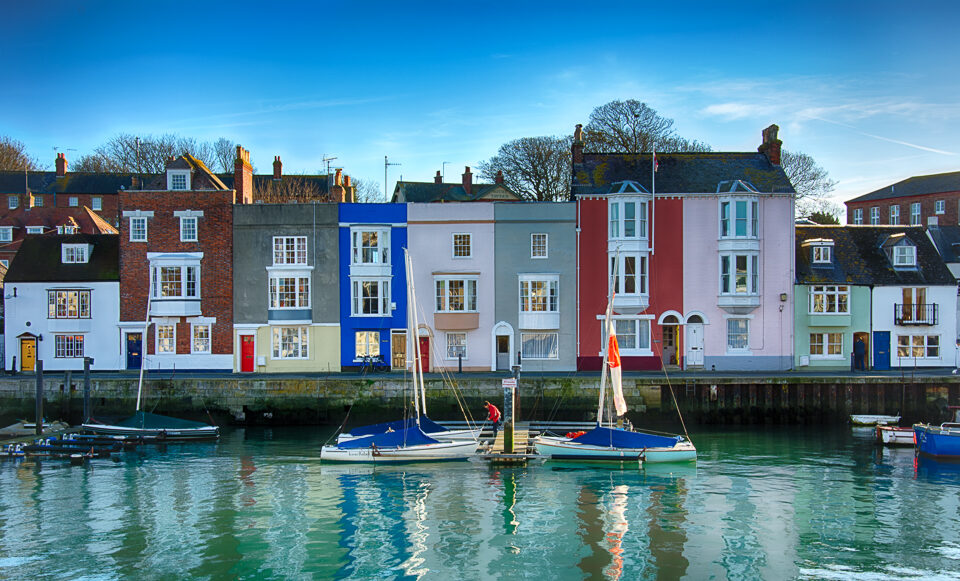
The old Harbour
Weymouth Harbour is the vibrant heart of this historic seaside town, offering a picturesque blend of working boats, leisure yachts, and bustling waterfront activity. Known for its stunning views and lively atmosphere, the harbour is a hub for fishing, sailing, and coastal exploration. Visitors can enjoy fresh seafood at waterfront restaurants, stroll along the scenic quayside, or take a boat trip to discover the beauty of the Jurassic Coast. With its rich maritime heritage and charming ambiance, Weymouth Harbour is a must-visit destination for anyone exploring Dorset’s coastline.
One of the most common additions people make to their cars in order to keep the heat out is a windshield visor. Cars become warm in the summer because direct sunlight enters in through the windows. This is why we park in the shade whenever we can. Since the largest windshield.In fact, wind is becoming cheap enough in many places in the U.S. and around the world to compete effectively with fossil fuels.
One of the most common additions people make to their cars in order to keep the heat out is a windshield visor. Cars become warm in the summer because direct sunlight enters in through the windows. This is why we park in the shade whenever we can. Since the largest windshield.In fact, wind is becoming cheap enough in many places in the U.S. and around the world to compete effectively with fossil fuels.
One of the most common additions people make to their cars in order to keep the heat out is a windshield visor. Cars become warm in the summer because direct sunlight enters in through the windows. This is why we park in the shade whenever we can. Since the largest windshield.In fact, wind is becoming cheap enough in many places in the U.S. and around the world to compete effectively with fossil fuels.

95 FF3, App Street Avenue
NSW 96209, Canada
Mon – Fri: 8:00 am – 6:00 pm
Useful Links
City News & Updates
The latest Egovt news, articles, and resources, sent straight to your inbox every month.